
Tools for teams
Notifly
Connect customer information, marketing and automation. A systems challenge where information and actions need to work together.
Explore at notifly.vn (opens a new tab)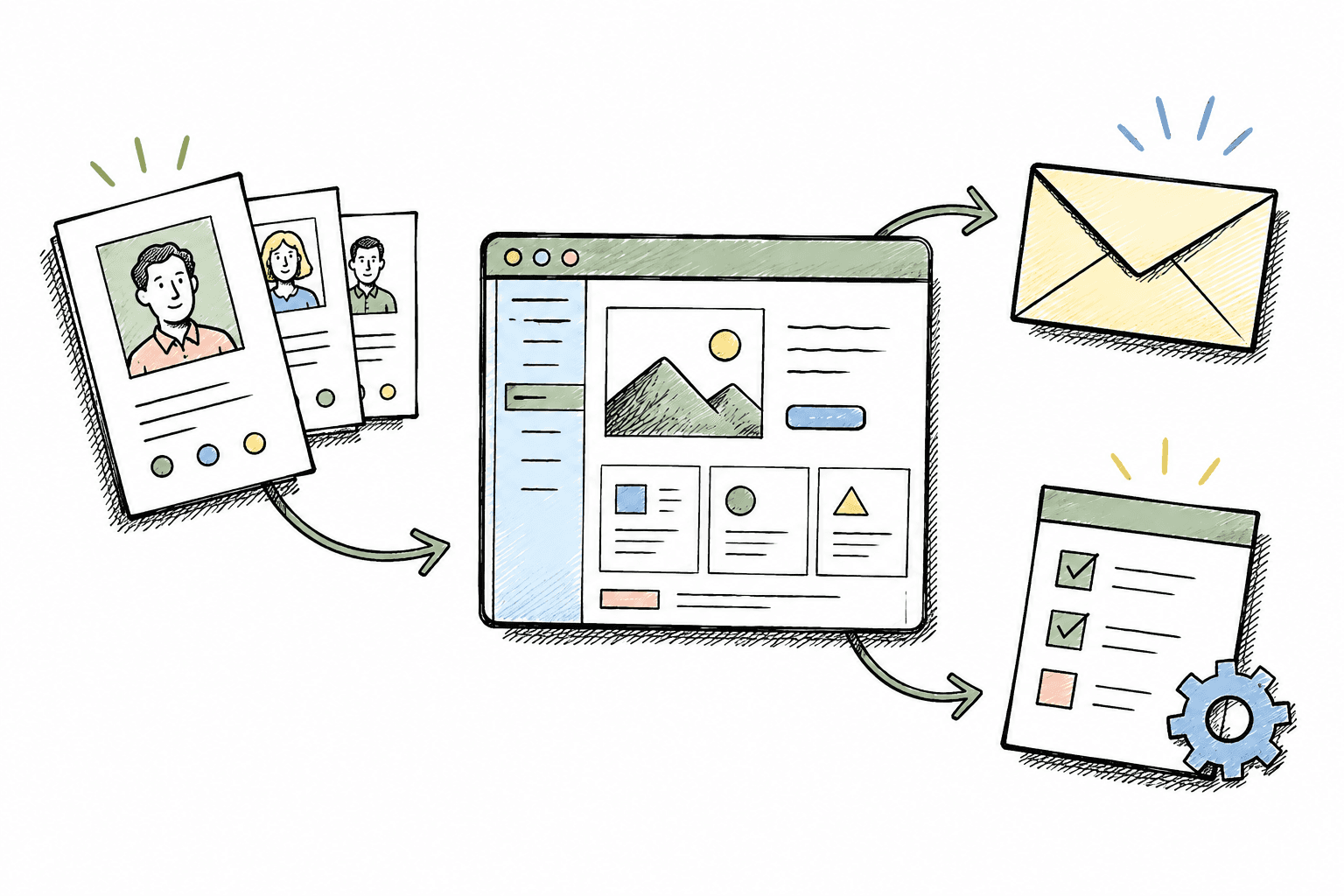
1997 Studio designs and develops websites, apps and business software. Together, we turn what you have in mind into a product people can use and operate.

A digital product matters when it helps someone get something done. We think beyond screens to the people, content and interactions that make up everyday use.
From the first sketch to handover, Studio helps you clarify what to build, try how it works and agree on each part of the work. Design and development belong to the same process.

Start with goals and context to identify what needs to be solved.

Review designs, consider options and define scope before development.
Plan for content, administration and everyday use after handover.
Notifly and Todomi are products by 1997 Studio. Explore them directly to get a better sense of our approach to design and development.
Connect customer information, marketing and automation. A systems challenge where information and actions need to work together.
Explore at notifly.vn (opens a new tab)A place to capture and organise personal tasks. An experience designed around simple actions in everyday life.
View Todomi on the App Store (opens a new tab)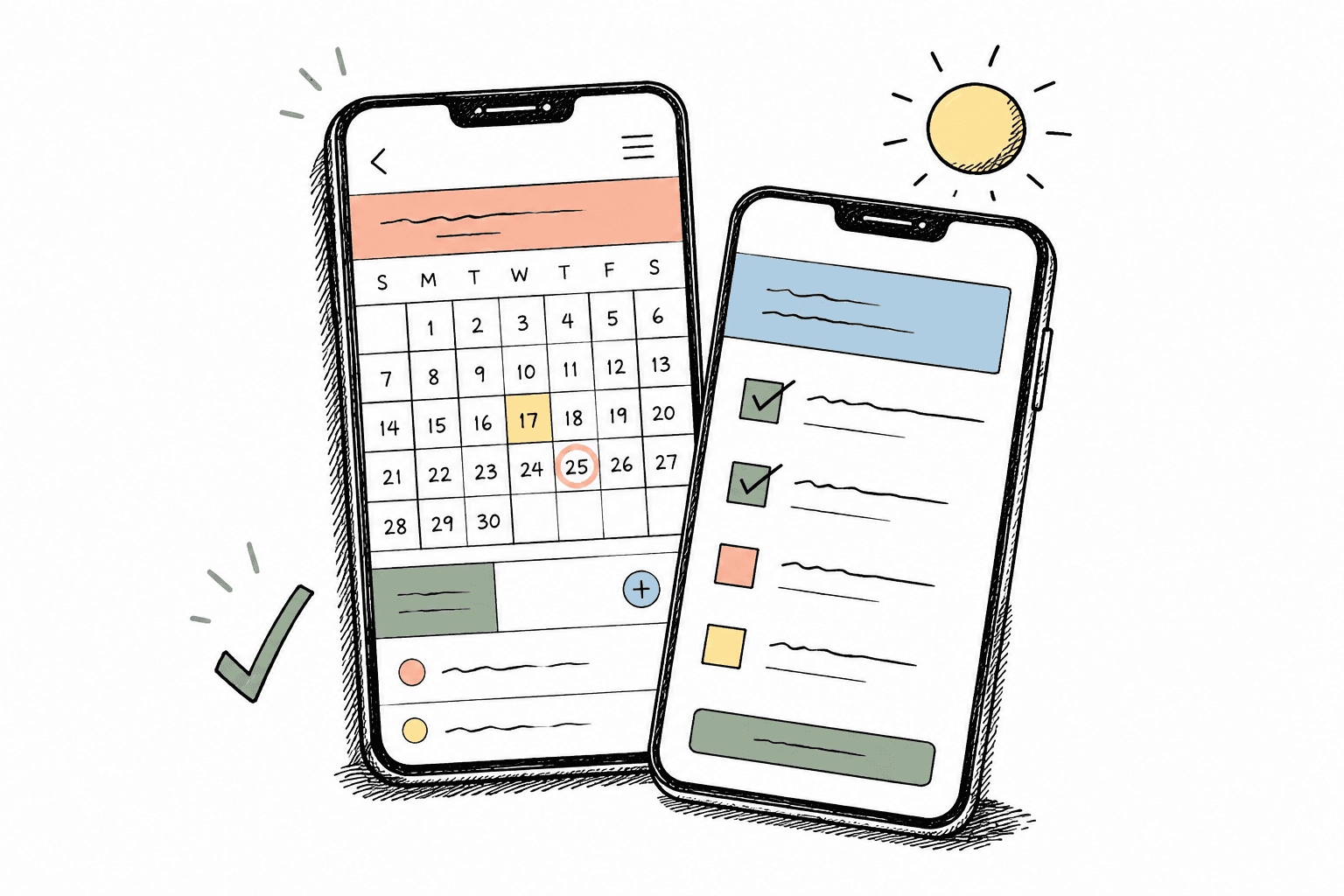
Illustrations, not interface screenshots. Find current product information through the links above.
Know what Studio is doing, where your input matters and what needs approval. Open each step to see how we collaborate.
This is a reference process for a full-scope project. Steps may be combined or adapted for each service; scope, update schedules and support are confirmed in the project agreement.
 Listen and clarify your needsUnderstand the problem before choosing a solution.
Discuss goals, users, current operations and the points that get in the way. Record open questions instead of rushing to settle features.
Share your needs, existing content, references and preferred timing. A complete brief is not required to start.
A summary of needs and priorities so both sides can confirm they understand the same problem.
 Agree on scope and a planClarify work, costs and responsibilities before starting.
Propose tasks, deliverables, costs and estimated milestones. Clarify exclusions, revision rounds, acceptance criteria and support conditions.
Review the proposal, name an approver and agree when content will be provided. Discuss budget or timing limits from the start.
Scope and terms are confirmed, and the agreed starting conditions are met before development.
Structure content and user flowsKnow where people go, what they do and what they get.Sketch the site structure, information order and main flows. For complex products, use wireframes or prototypes to review how they work together.
Check content and business requirements for accuracy, and add real situations your users commonly face.
Approved structure and main flows, with a list of content still to prepare.
Design and refine togetherReview concrete designs before development.Design interfaces around your brand and the agreed structure. Present screens, states and layouts for devices within scope.
Consolidate feedback for each round and explain what does not fit and why. The named approver confirms the direction to avoid conflicting decisions.
An approved design that becomes the basis for development. New requests are reassessed if they change the scope.
 Develop and share progressSee the product take shape in a working preview.
Build the agreed features and integrations. Share completed work, work in progress, issues requiring input and previews at project milestones.
Provide content and necessary access through suitable channels. Review previews and give feedback on business requirements.
A working preview covering the agreed scope, with a list of issues to resolve before acceptance.
 Test and approveCheck quality against specific criteria.
Check main flows, forms, links, error states and layouts on agreed devices and browsers. Record and fix in-scope issues, then test again.
Try realistic scenarios against the acceptance criteria. Confirm the result or describe what needs further work.
Test results and acceptance items are confirmed. Any outstanding items are recorded with an agreed resolution.
Launch and hand overReceive the product and learn how to manage it.Coordinate launch according to the plan. Hand over agreed accounts, documentation and assets, and explain essential operating tasks.
Name the person taking over, check their access and try tasks such as updating content or reviewing enquiries.
The handover checklist is checked. The person responsible knows how to use the product and where to get help.
Support and improveHave a clear contact for questions, issues and future work.Receive questions, provide guidance and classify issues. Distinguish covered issues from new requests, and discuss the approach and estimated timing under the agreement.
Share descriptions, screenshots or reproduction steps through the agreed channel. For new needs, explain your goals so we can prioritise together.
Know how your request is being handled. Additional development begins only after both sides agree on scope, costs and a plan.
Record the request → assess the impact → confirm the change → then implement. Any change of plan should include a clear explanation, affected work and next steps.

An initial conversation is not a commitment on price or timing. Features, revision rounds, asset ownership and post-handover support should be specified in the agreement. Requests outside the scope need to be discussed before work begins.
Questions worth asking in the first conversation.
[email protected]Tell us what you want to do, who will use it and what problem you face. Content, images or reference websites can help make the conversation more specific. You do not need to choose a technology first.
Studio offers UI/UX design, websites, business software and mobile apps. If you need only one part, share your existing materials so we can define our work and the handoff with your team.
It helps to distinguish in-scope revisions from additional requests. Both sides should clarify the impact on work, cost and timing before proceeding. Revision rounds and approvals are agreed per project.
Ownership of administration, access rights, documentation and support scope should be stated in the agreement. We also identify third-party services and operating costs you will need to manage.
The drawings illustrate our services and working process. Design explorations are not evidence of delivered client projects. Explore our own products through the Notifly and Todomi links above.