Write down the assumption to test
Do you want to know whether people need the solution, understand how to use it or will return? Each question needs a different kind of test.
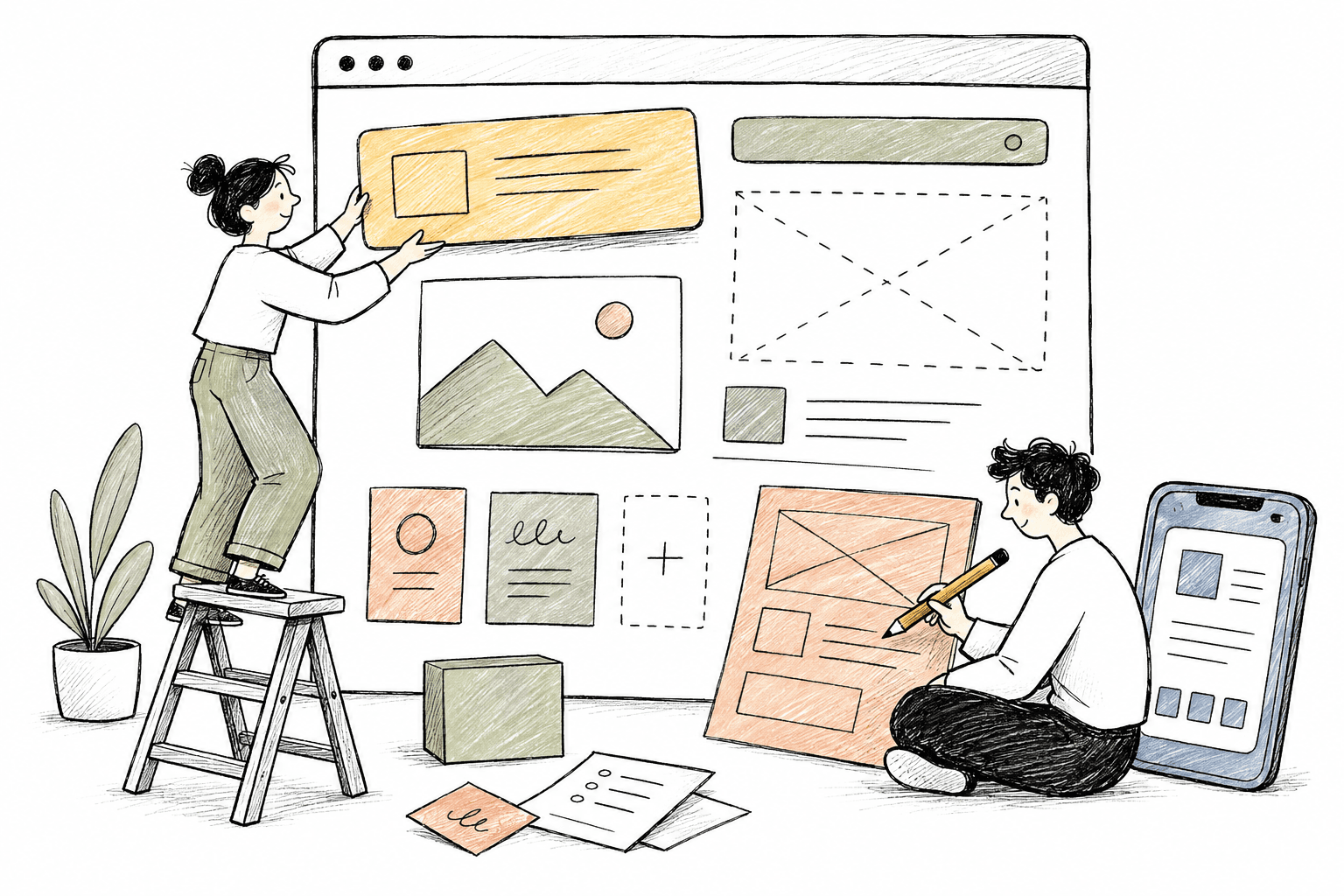
A prototype can help test understanding and interactions. To observe real use over time, you may need a working version with a limited scope.
Keep one complete journey
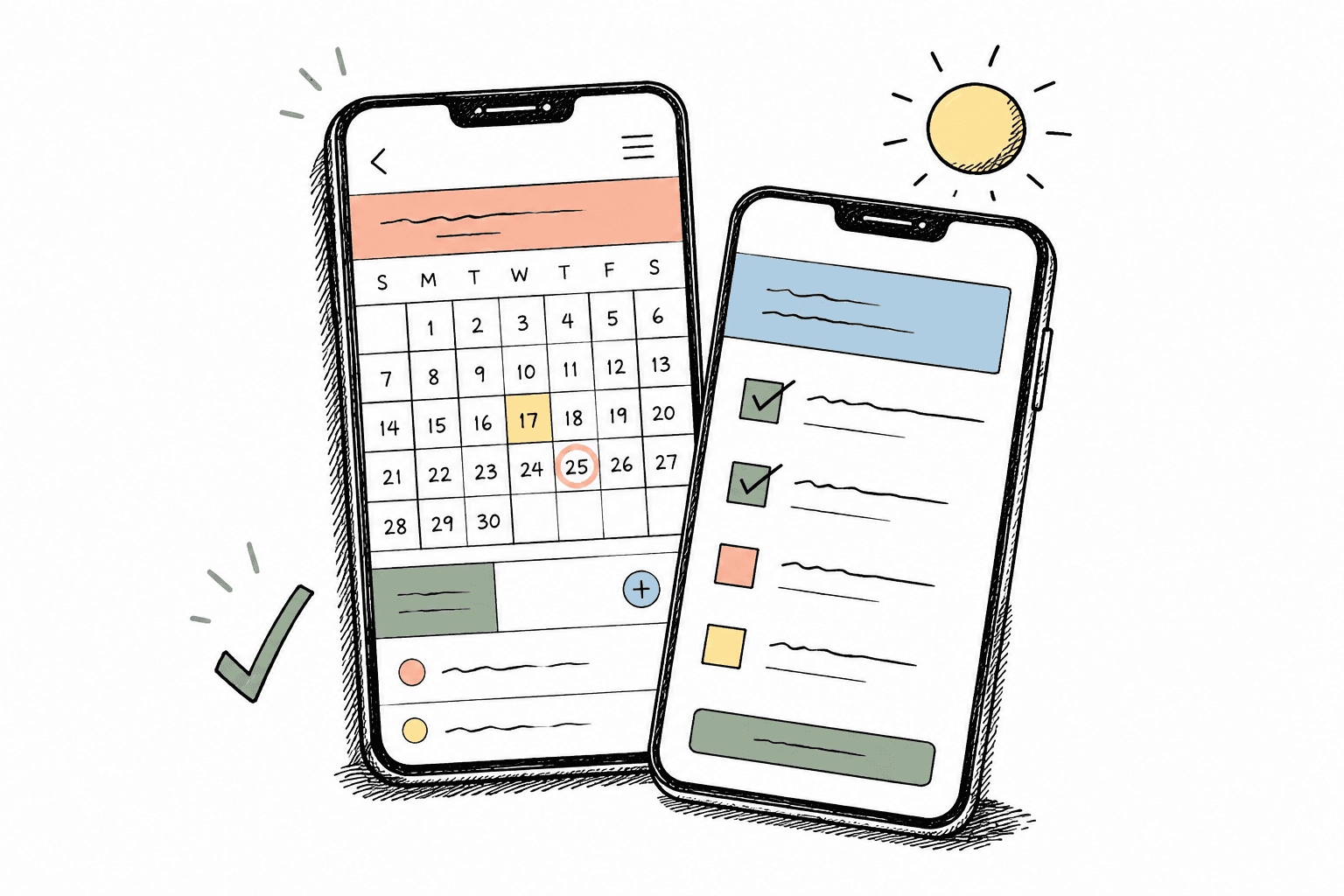
Choose the starting point, main action and outcome. For example, a task tool should let people create a task, find it again and mark it complete before adding reporting.
Do not skip empty states, input errors or ways to correct mistakes. They are part of the main flow, not decoration to add later.
Choose the next step from feedback
Record what you observed, where people struggled and which assumptions remain untested. Separate personal preferences from problems that stop people completing a task.
After each test, choose what to fix first and explain why. A feature list becomes more useful when tied to observed needs, instead of simply growing after every meeting.
Facing a similar challenge?
Clarify your idea with Studio ↗